Overview
At a glance
Is this game right for my group?
ABG editorial scores on a 1–5 scale.
Harder to teach
High replayability
Low interaction
Scales well
Deep strategy
How it plays
How does it play?
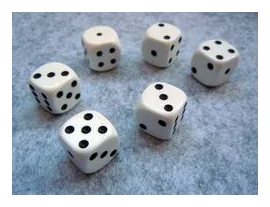
Farkle is a traditional push-your luck dice game similar to Dix Mille. Players roll six dice (or five, in some versions of the game), and remove any dice they want to use for points.
Core mechanisms
Key systems that shape the decisions players make.
Read the full game description
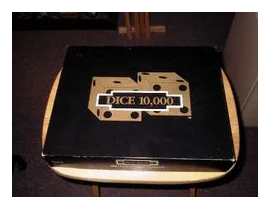
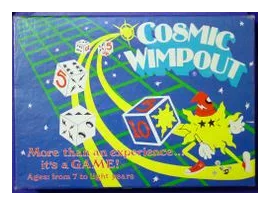
Farkle is a traditional push-your luck dice game similar to Dix Mille. Players roll six dice (or five, in some versions of the game), and remove any dice they want to use for points. They can stop, keeping the points, or re-roll the remaining dice. Points are scored by specific numbers (e.g. 5 or 1) or sets of the same number. If all six dice are used points, they can be picked back up and the player can keep going. The first player to 10,000 wins. Originally Farkle was played with five dice. The game originated in the 1930s, (Hugo Kastner: Die große Humboldt Enzyklopädie der Würfelspiele. Humboldt 2007, pp. 205-208) but has various joke origin stories, such as that the game was "first played in Iceland by Sir Albert Farkle in the 14th century" or "derived from the Farkleberry tree, a small tree native to Texas. When the early settlers came to Texas, they discovered the Farkleberry would harden as they dried. The settlers carved these berries into the shape of dice so that they might play games." Reiner Knizia describes the game as being identical to the French game Dix Mille, and notes that when played to half the target score it is known as Five Thousand. (Dice Games Properly Explained, 1999) The 1975 game Cosmic Wimpout uses similar dice and rules. In 1996, Charlie and Mary Potter published Farkel, a version of the game with a copyrighted scoring system, and lodged various trademarks.