Table feel
Moderate level of interaction with a good mix of direct and strategic confrontation. Players need to pay attention to others' actions frequently, but cooperation is not a major focus.
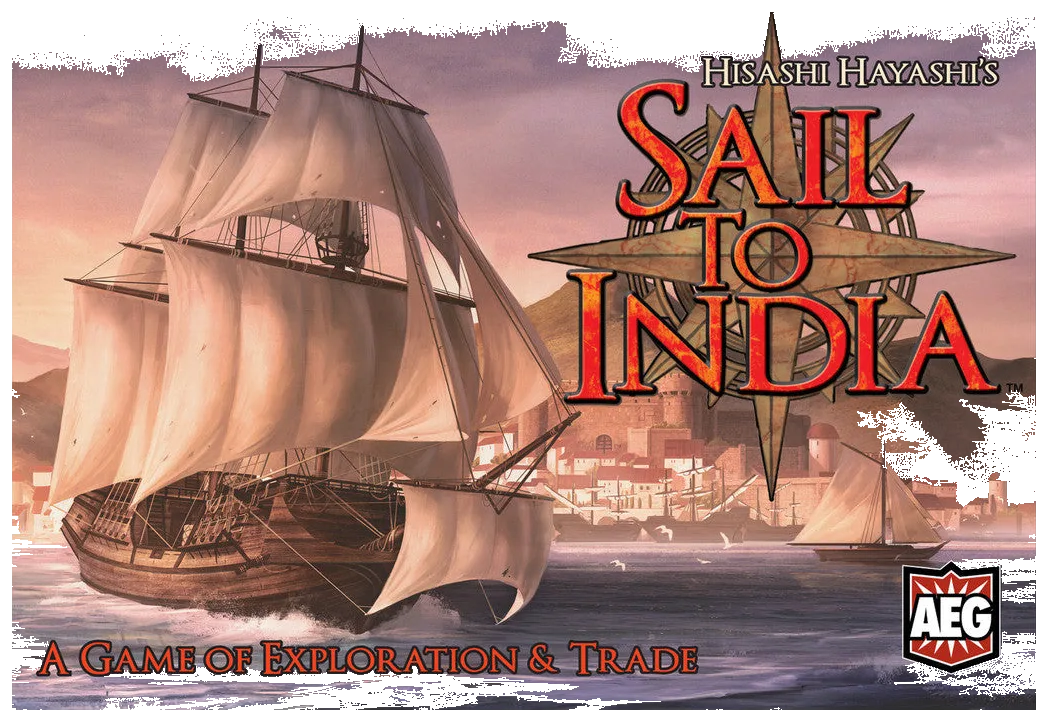
The Age of Discovery, Portugal, 15th–16th century: With the Mediterranean under Osman Turk control, the Portuguese were severely limited in the Mediterranean and looking for other trade routes. Better ships, better compasses, and a general centralization of power helped push the...
Players
3-4
Time
?-?
Age
14+
Weight
2.21
Rating
6.67
Should this hit the table?
Moderate level of interaction with a good mix of direct and strategic confrontation. Players need to pay attention to others' actions frequently, but cooperation is not a major focus.
Teaching signal
High replayability
Highly interactive
Scales well
Deep strategy
More strategic control
Moderate level of interaction with a good mix of direct and strategic confrontation. Players need to pay attention to others' actions frequently, but cooperation is not a major focus.
Sail to India has a high replayability score due to its strong variability in gameplay, strategic depth, and adaptability to different player counts. The game offers different experiences each time it is played, with multiple paths to victory and variable setups. The presence of expansions adds new content and gameplay elements, further enhancing the replay value. Players can continually improve their strategy over time, discovering new tactics and strategies. The game scales well with different numbers of players without compromising its appeal or balance. While it may take some time to learn, the depth it offers makes it worth the investment. Overall, Sail to India provides a fresh and engaging experience with high replayability.
Sail to India has a moderate level of luck influence. Random elements, such as card draws and dice rolls, have a notable but not exclusive impact on the game outcome. However, players have substantial ability to mitigate randomness through strategic decisions and planning. The game outcome is primarily determined by player strategy and decisions, with luck playing a minor role.
Overview
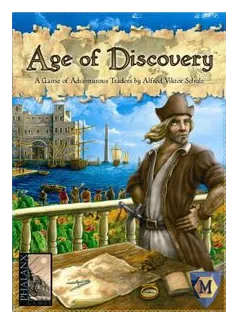
The Age of Discovery, Portugal, 15th–16th century: With the Mediterranean under Osman Turk control, the Portuguese were severely limited in the Mediterranean and looking for other trade routes. Better ships, better compasses, and a general centralization of power helped push the Portuguese explorers into the Atlantic, and sailors like Prince Henry, Bartolomeu Dias and Vasco da Gama took to the seas. In Sail to India (??????????), the players are nobles who support these sailors in their efforts to discover a route to India and to be the foremost and most famous explorer of all. Players must manage their resources to develop sales channels to India, and they have only two Action Points with which to do it. A player's money, score, ship and building are all affected by the same pawn, and to do well you'll need to manage the movement of that pawn to make full use of twelve types of actions, six kinds of products, and three different buildings.
Media
Images, galleries, and videos are grouped here so the page feels visual before every asset is fully hosted.
Editions
| Edition | Year | Language | Publisher / Region |
|---|---|---|---|
| No editions imported yet. | |||
Files and documents
No files imported yet.
Commerce mapping
Credits
Linked items
Related games and expansions help build a connected catalog around every title.
No linked items imported yet.