Overview
At a glance
Is this game right for my group?
ABG editorial scores on a 1–5 scale.
Harder to teach
High replayability
Highly interactive
Scales well
Deep strategy
How it plays
How does it play?
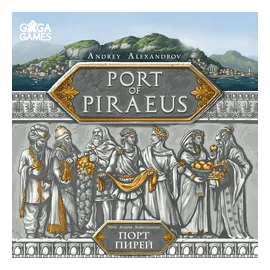
In the economic game Port of Piraeus, you are one of many prudent and provident merchants who have come to the Port of Piraeus from all over the world to sell their goods and purchase overseas items.
Core mechanisms
Key systems that shape the decisions players make.
Read the full game description
In the economic game Port of Piraeus, you are one of many prudent and provident merchants who have come to the Port of Piraeus from all over the world to sell their goods and purchase overseas items. Every decision you make will inevitably influence the market and either simplify or complicate the game for your opponents. Act carefully, trade proficiently and become the most successful merchant in the Port of Piraeus! Players become merchants from different countries who are trying to make money buying and selling different commodities. There are eight trading days in the game, and each day players get to choose whether they want to buy other merchants’ products or sell their own. The prices for different products will keep changing depending on the situation. When they arrive back home, each merchant will get a good price for all the goods they buy here! The player who earns more money by the end of the game becomes the winner.