Overview
At a glance
Is this game right for my group?
ABG editorial scores on a 1–5 scale.
Harder to teach
High replayability
Highly interactive
Scales well
Deep strategy
How it plays
How does it play?
King Maya Pacal was born on March 26th 603 A.D. from Mrs.
Core mechanisms
Key systems that shape the decisions players make.
Read the full game description
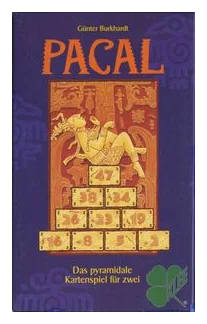
King Maya Pacal was born on March 26th 603 A.D. from Mrs. Zuc Kuk. Nobody knows Pacal’s real name. He was called Pacal in many writings in order to show everybody that he was a person because his armor was found after a war and in the Mayan language armor is called Pacal. This king had a throne and he was in charge for over 68 years. Now there has to be a successor, and the players have to build their pyramid. The greatest value has to be upside and the lowest has to be on the base ascendant sorted from left to right. Who’s going to build his pyramid first and will be the new king?