Table feel
Moderate level of direct confrontation and strategic depth, with high frequency of interaction. Limited emphasis on cooperation.
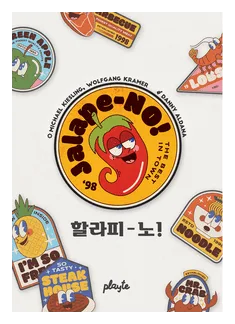
Jalape-NO!, first released as Pepper, is a trick-taking game in which you want to dodge the spiciness to end up with the lowest score possible. The deck consists of 108 cards (102 number cards and 6 pepper cards), with cards being numbered 1-18 in six colors and with the 1s being...
Players
3-9
Time
?-?
Age
10+
Weight
1.39
Rating
6.11
Should this hit the table?
Moderate level of direct confrontation and strategic depth, with high frequency of interaction. Limited emphasis on cooperation.
Teaching signal
High replayability
Highly interactive
Scales well
Deep strategy
Luck-sensitive
Moderate level of direct confrontation and strategic depth, with high frequency of interaction. Limited emphasis on cooperation.
jalape-no! offers a high degree of variability with its gameboard, allowing for different experiences each time it is played. The presence of expansions adds new content and gameplay elements, enhancing the replay value. The game also provides deep strategic possibilities and room for players to improve their tactics over time. The player interaction score is moderate, and the game scales well with different numbers of players. While the easiness to learn score is relatively low, indicating a moderate learning curve, it still offers enough depth to keep players engaged. Overall, jalape-no! has a strong replayability score of 7.8.
Jalape-no! has a moderate level of luck involved in the game. Random elements like dice rolls or card draws have a notable but not exclusive impact on the game outcome. However, players have substantial ability to mitigate the effects of randomness through strategic decisions and planning. The game outcome is primarily determined by player strategy and decisions, with luck playing a balanced mix of luck and strategy.
Overview
Jalape-NO!, first released as Pepper, is a trick-taking game in which you want to dodge the spiciness to end up with the lowest score possible. The deck consists of 108 cards (102 number cards and 6 pepper cards), with cards being numbered 1-18 in six colors and with the 1s being peppers. Based on the player count, you use 4-6 colors of cards ranging from 1-9 to 1-18. At the start of each round, you receive 12 cards in hand, and you must place any peppers on the table in front of you. The lead player in a trick plays any card from their hand or one of their peppers. Each other player must follow suit, if possible, except that you are not forced to play the matching pepper card, should you have it. (However, if you do have it, you cannot play a pepper of another color to this trick.) Whoever plays the highest card in the suit led wins the trick and leads the next trick. If you win a pepper in a trick, place it on the table in front of you; you can play this pepper on a future trick, whether to lead off the trick or to play it on a trick that's already in progress. As soon as a player has no cards in hand, the round ends. All players add any cards in hand to the cards in front of them, whether peppers or cards claimed in tricks. Each pepper you have is worth 2 points, and each card in the same suit as a pepper you have is worth 1 point. After five rounds, the player with the lowest score wins.

Media
Images, galleries, and videos are grouped here so the page feels visual before every asset is fully hosted.
No media imported yet.
Editions
| Edition | Year | Language | Publisher / Region |
|---|---|---|---|
| No editions imported yet. | |||
Files and documents
No files imported yet.
Commerce mapping
No commerce mappings imported yet.
Credits
Linked items
Related games and expansions help build a connected catalog around every title.
No linked items imported yet.