Overview
At a glance
Is this game right for my group?
ABG editorial scores on a 1–5 scale.
Harder to teach
High replayability
Highly interactive
Scales well
Deep strategy
How it plays
How does it play?
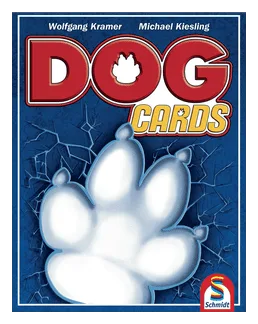
In DOG Cards, players need to create rows of number cards in front of them from 1 to 14. The first player to create two rows — or in a four-player game, the first team in which each teammate has created a row — wins.
Core mechanisms
Key systems that shape the decisions players make.
Read the full game description
In DOG Cards, players need to create rows of number cards in front of them from 1 to 14. The first player to create two rows — or in a four-player game, the first team in which each teammate has created a row — wins. The deck consists of 104 number cards from 1-14 as well as 8 jokers and 8 thieves. To set up, each player receives a hand of seven or five cards (depending on the number of players) and a row of 13 cards is laid face up on the table; if any numbered card is in a position that matches its number — e.g., the number 2 in the second position — discard this card and replace it with another card from the deck. On a turn, a player takes one of five actions: Discard a number card, buy the card in this position from the face-up row, then draw a new card to fill this slot. A joker can buy any card. Start a new row with a 1/11 card or a 13 card, or add to an existing row. (In the team game, you can play on your row or your teammate's.) You must add the cards in ascending numerical order, with a joker substituting for any non-14 card. Swap a number card for a joker in someone's row, adding the joker to your hand. Use the special power of a card, with the thief allowing you to steal a card from the end of someone's row, the 14 netting you any card in the discard pile, the 7 grabbing one of the seven top cards in the deck, and the 4 buying any of the first eight face-up cards. Discard a card, then draw a new card from the top of the deck. When you complete a row by placing the 14, place the other thirteen cards in the discard pile, with discards being shuffled to form a new deck if needed.