Overview
At a glance
Is this game right for my group?
ABG editorial scores on a 1–5 scale.
Harder to teach
High replayability
Highly interactive
Scales well
Deep strategy
How it plays
How does it play?
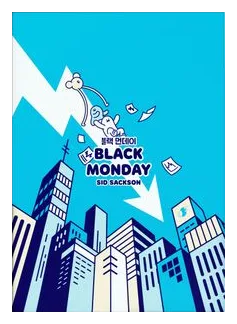
Black Monday gets its name from the stock market crash of Oct. 19, 1987, and it's a commercial edition of Sid Sackson's game "Card Stock Market" from the book Card Games Around the World, with this game being playable with two standard decks of playing cards.
Core mechanisms
Key systems that shape the decisions players make.
Read the full game description
Black Monday gets its name from the stock market crash of Oct. 19, 1987, and it's a commercial edition of Sid Sackson's game "Card Stock Market" from the book Card Games Around the World, with this game being playable with two standard decks of playing cards. The game includes 104 cards, with corporation cards in four colors. Each card shows a monetary value, along with a number of shares. Reveal cards from the deck until you get one card of each color, and use these cards to set the starting price of the shares for each of the four corporations. Deal each player a hand of eight cards, and give each player $20,000 as starting capital. On a turn, you can deal in shares (both buying and selling) and change the value of stocks, but you must do all of your dealing either prior to or subsequent to changing stock values. When you deal, you can sell any number of shares you own, earning money from the bank equal to the number of shares sold by the current value of those shares; when you buy, you can lay down at most two cards from your hand, paying money to the bank equal to the number of shares bought by the current value of those shares. When you change value, you take one or two cards from your hand and cover a corporation's current value with this new value; corporations have different limits on how much they can be raised or lowered per card play, with some being more stable than others. If you play the highest-valued cards, you can either pump up the value tremendously — or tank the stock, bringing its value to $0, with all players discarding all shares they own of this stock. (A player can jumpstart the value of this company by playing a new stock value on it, even with the second card played on the same turn.) Alternatively, you can skip the dealing and changing actions to discard 1-4 cards from hand. In either case, to end your turn, replenish your hand to eight cards. When the deck is exhausted, take all of the discards and all of the stock value cards other than the top one of each corporation and shuffle them together with a "Market Closed" card to form a new deck. Continue play until the "Market Closed" card is drawn, at which point the game ends immediately, and all shares held by players are cashed out at the current stock value. Whoever has the most money wins.