Overview
At a glance
Is this game right for my group?
ABG editorial scores on a 1–5 scale.
Harder to teach
High replayability
Low interaction
Scales well
Deep strategy
How it plays
How does it play?
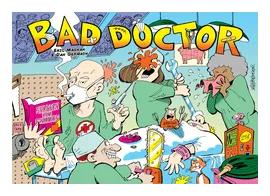
Central City Hospital is an overcrowded, derelict hospital. As a doctor in this terribly understaffed hospital, your job is to keep patients alive until your shift ends.
Core mechanisms
Key systems that shape the decisions players make.
Read the full game description
Central City Hospital is an overcrowded, derelict hospital. As a doctor in this terribly understaffed hospital, your job is to keep patients alive until your shift ends. Curing patients is great as long as you can claim the glory for yourself! Every patient you see takes precious time and resources as you struggle to keep them alive. Sometimes you have to leave the sickest patients for the next shift and pass the blame to someone else. If patients die on your watch, you risk being forever shamed as a bad doctor! In more detail, Bad Doctor is a light tile-laying game in which doctors compete for the glory of being the best doctor by treating and curing patients. Treat patients by laying treatment tiles with matching malady symbols. Place your doctor marker on that malady to show you helped cure that patient. You place complication cubes on patients who are not visited during your shift (or turn), but if that patient has no spaces left for complication cubes then that means the patient has died on your shift! Patients are completely cured when there are no open malady spaces on the patient or any connected treatment tiles. The player who cured the final malady on the patient during their shift collects their doctor markers and places them in the score pile on their doctor board. All other doctor markers on the patient go back into the other doctors' reserves. The game ends when one doctor has collected eight or more doctor markers in their score pile. The player with the most doctor markers in their score pile wins! —description from the publisher